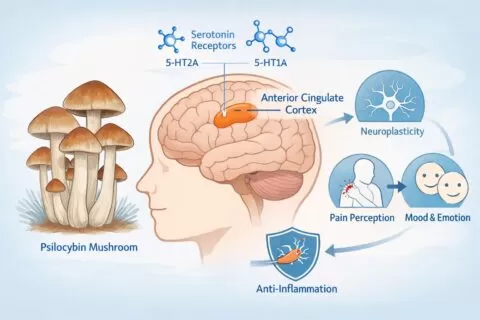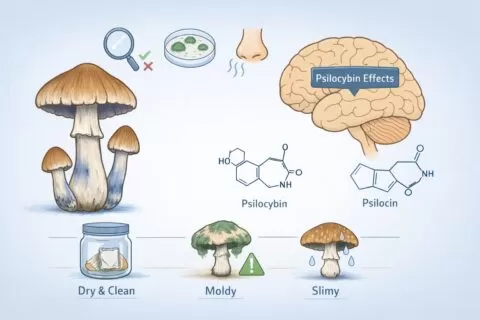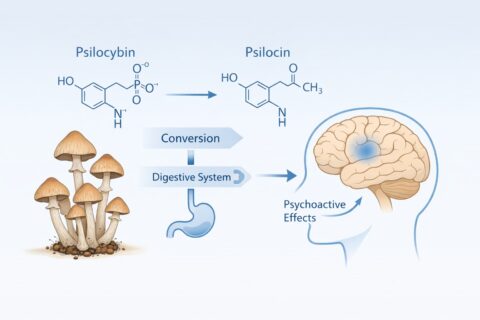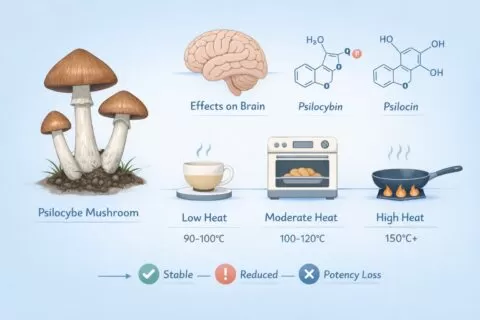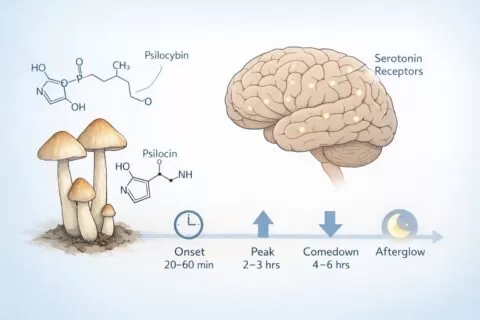
Magic mushrooms are a type of fungus that contains psilocybin, a natural chemical that affects the brain. People often discuss them in conversations about wellness, creativity, or therapy. Even though interest is rising, the laws and safety concerns around these mushrooms are serious. Learning how they work, where they are legal, and what risks are involved is the first step toward staying safe.
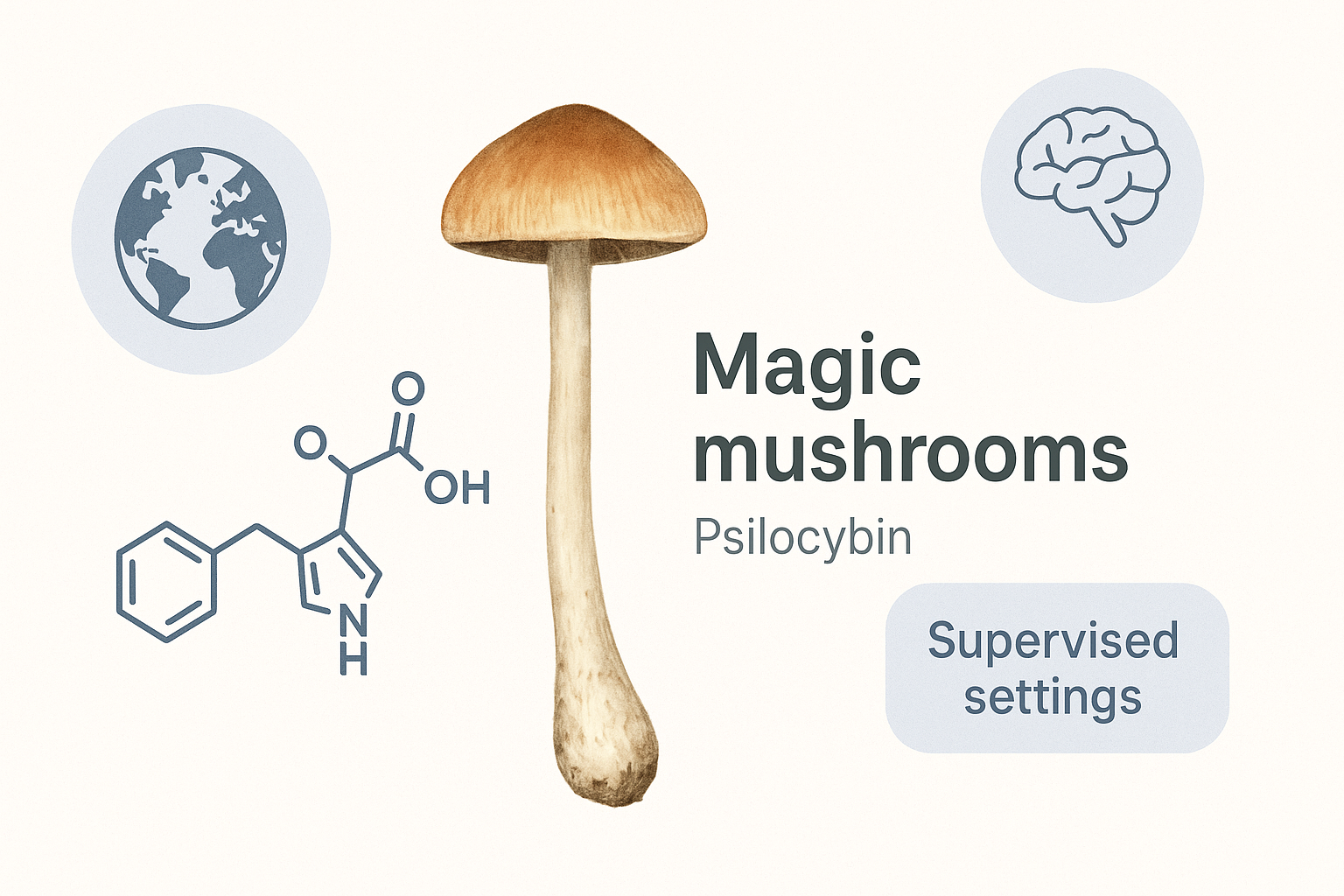
Many people wonder where to get magic mushrooms, but the most important thing to know is that psilocybin is a controlled substance in most parts of the world. In the United States, it is a Schedule I drug under federal law, which is the strictest category. This means it is illegal to possess, sell, or grow, and breaking these laws can lead to severe penalties.
Some places ban psilocybin completely, while others allow limited exceptions. The Netherlands permits certain “magic truffles,” and some Caribbean islands allow use in religious or traditional settings. Because laws differ so widely, anyone trying to understand how to get magic mushrooms must first look at the legal rules in their location. These rules change often and can vary by country, state, or even city, so checking local law is essential for staying safe and avoiding legal trouble.
The United States has a confusing mix of federal, state, and local rules, which makes it hard for many people to understand how to find magic mushrooms in a legal context. Federal law prohibits psilocybin everywhere. Still, some states and cities have taken different approaches.
Oregon created a supervised psilocybin therapy program run by trained professionals. Colorado decriminalized personal possession and limited supervised use, but commercial sales are still not allowed.
Several cities, like Denver and Oakland, passed local measures making enforcement of personal possession a low priority. These actions do not make psilocybin fully legal. Federal law continues to apply, so it is important to understand that “decriminalized” does not mean “legal” or “free of risk.”
Many people wonder where to find magic mushrooms, but the answer is more complicated than it seems. Psilocybin mushrooms grow naturally around the world in grassy fields, forests, and damp areas. Even though they appear in nature, gathering them in the wild is extremely dangerous.
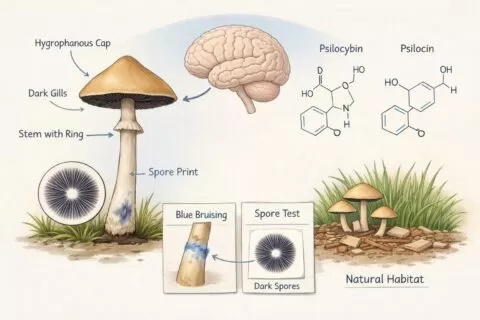
Many toxic mushrooms resemble certain psilocybin-containing species closely. Some poisonous mushrooms can cause organ failure or death. Because the differences can be small, even skilled foragers sometimes make mistakes. This is why experts warn people not to consume any wild mushroom unless they are trained and certified in mushroom identification.
When people discuss safer access, they usually mean settings where psilocybin use is controlled by trained professionals or allowed for medical reasons. Examples include supervised therapy programs in places where the law permits it.
Researchers also study psilocybin in clinical trials. These studies follow strict rules for dosage, medical monitoring, and participant screening. This helps scientists understand psilocybin’s effects and whether it might be useful for certain medical conditions.
Harm reduction is important for any discussion involving psychoactive substances. The first step is to understand the laws in your area so you avoid legal trouble. Another key idea is knowing exactly what a substance is and where it came from. Because misidentification is a major danger, consuming wild mushrooms is unsafe unless someone is an expert.
“Set and setting” also matter. These terms refer to mindset and environment. A calm, safe space and supportive people can make supervised experiences less risky. It’s also unsafe to mix psilocybin with other substances, including alcohol or certain medications.
Combining them can cause unpredictable effects, including dangerously high serotonin levels. Mental health screening is important too. Psilocybin can pose risks for people with a personal or family history of certain disorders, such as schizophrenia, bipolar disorder, or psychosis.
As research grows and laws change, conversations about magic mushrooms will continue to evolve. For now, the safest approach is learning the facts, understanding the legal risks, and recognizing the health concerns involved. Psilocybin continues to carry strict legal penalties and serious safety considerations, so responsible decision-making is essential. Clear information helps people stay protected and avoid the dangers that come from misinformation or unsafe sources.