Psilocybin mushrooms (also called “magic mushrooms” or “shrooms”) are illegal under U.S. federal law and in most countries. They are classified as controlled substances. Buying or using them is only legal in very specific, supervised situations.
Because of their legal status, psilocybin mushrooms are not sold in regular stores or pharmacies. In most places, the only way to use them legally is through approved medical programs, clinical studies, or licensed service centers in certain states. Even if some cities or states have changed their local laws, federal rules still apply and can override those changes.
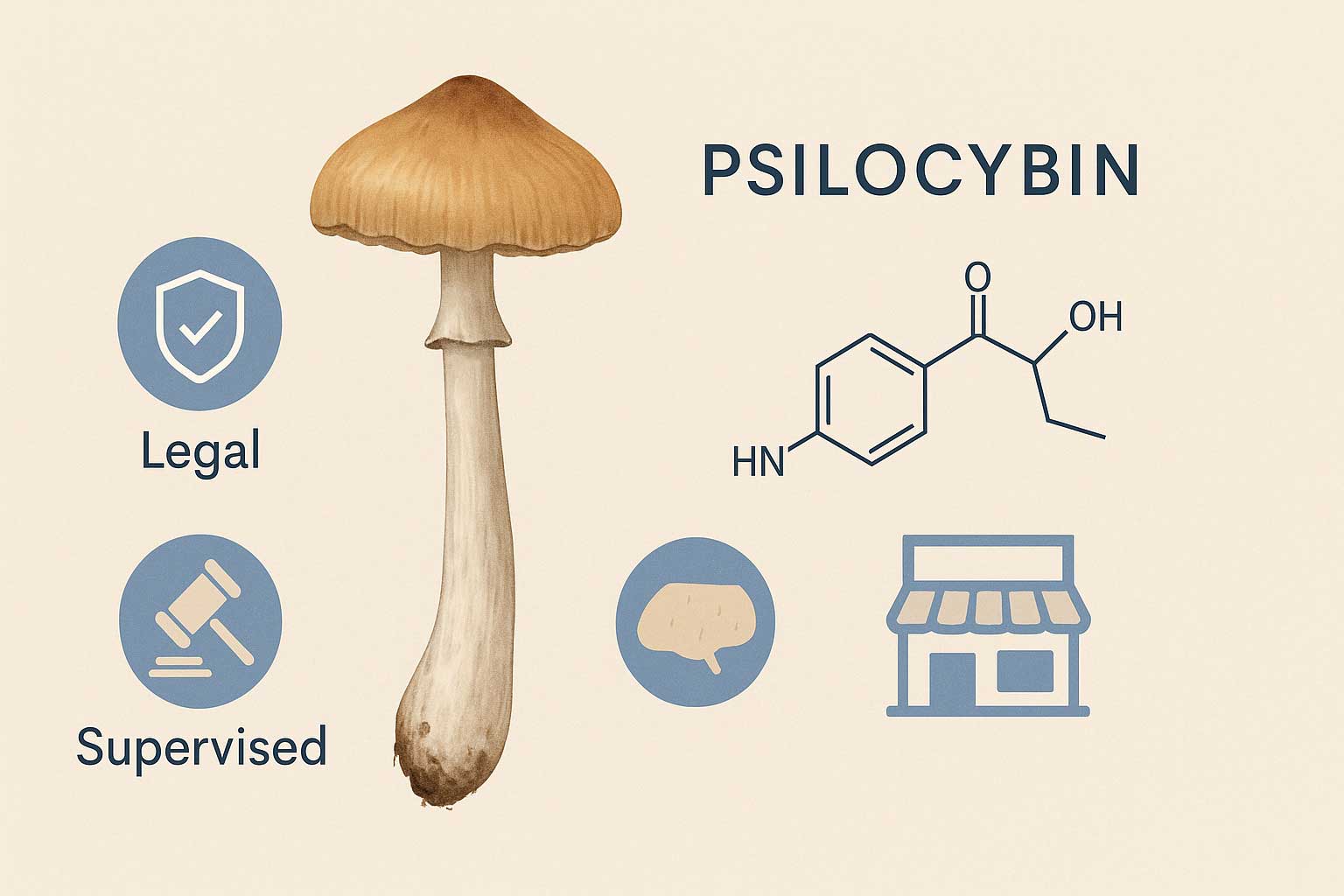
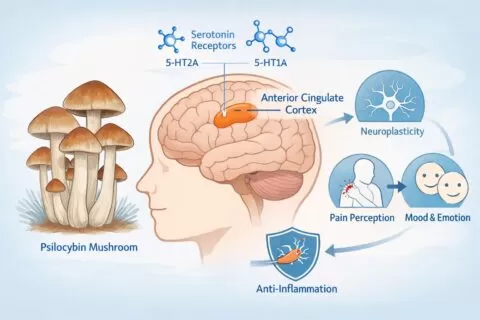
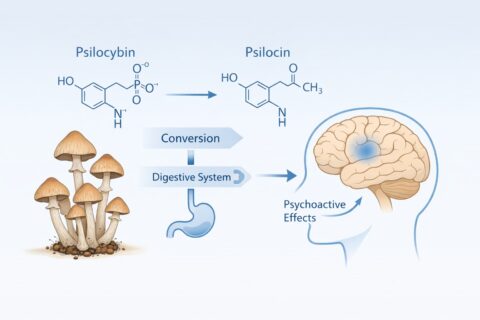
Magic mushrooms contain a substance called psilocybin. It can cause strong changes in how people think, feel, and see the world. Scientists are studying psilocybin because it may help people with depression, anxiety, PTSD, and addiction.
Because of this research, more people are asking: “Where can I get magic mushrooms?” The answer is not simple. The laws are different in every country, state, and city. Most of the time, buying or using these mushrooms is still illegal, unless you’re part of a clinical study or using them under medical supervision.
Psilocybin is listed as a Schedule I drug in the United States. That means the U.S. government believes it has a high chance of abuse and no medical use. So, under federal law, you can’t grow, sell, or possess it. Doing any of those things can lead to serious legal trouble, including jail time and large fines.
Psilocybin is also illegal under federal law in Canada. You can only use it legally if you’re part of a medical program approved by the government. Some people get special permission, but it’s rare and only for serious medical needs.
Yes, there are legal exceptions, but they’re limited. Oregon was the first U.S. state to create licensed psilocybin service centers. These are places where trained professionals guide people through a psilocybin experience. You can’t buy mushrooms in stores or take them home. You have to go through a full process with trained guides.
Additionally, Colorado now allows adults 21 and older to use, grow, and share psilocybin for personal use. However, they still can’t sell it. Sharing mushrooms without asking for money is allowed. But selling them is still a felony under state law, and a serious crime under federal law.
Some cities like Denver, Oakland, Santa Cruz, and Washington, D.C. have decriminalized psilocybin. This means you can’t be arrested for small personal use. But the mushrooms themselves are still illegal. You can still get into trouble, especially if you’re caught selling or growing them.
In other countries like the Netherlands, they allow the sale of truffles, which contain psilocybin, but not mushrooms. In other places, like Jamaica and some islands, psilocybin laws may be more relaxed, but always check carefully.
Mushroom spores don’t contain psilocybin, so they are often legal to buy for research or microscope study. But here’s the catch: If you grow those spores into mushrooms, that becomes illegal in most places. In a few states, even possessing spores is banned. So it’s a legal gray area, and still risky.
Yes, but legal access is currently limited to specific programs and locations, mostly focused on health and research.
In Oregon and Colorado, licensed centers offer guided psilocybin sessions for adults. These sessions are part of a structured process and include:
These services are designed to support mental wellness and are led by trained facilitators. They’re not set up for retail sales, and the cost can vary depending on the provider.
Some hospitals and universities are running clinical studies that explore psilocybin’s effects on mental health conditions. Participants in these trials may legally access psilocybin under professional supervision. Information about these trials is usually available on official medical research websites.
In Colorado, adults over 21 can grow psilocybin mushrooms at home for personal use. This is allowed under state law, but not for sale or distribution. In most other states, cultivation is still not permitted, so it’s important to check your local laws.
Some people may choose to use magic mushrooms despite the risks. If that happens, knowing how to stay safe is very important.
It’s safest to have a sober and trusted person nearby, especially if it’s your first time.
Combining mushrooms with alcohol, antidepressants, or other drugs can be dangerous.
Laws around psilocybin are changing, but most personal use is still limited to specific, regulated programs. While interest is growing, access remains highly controlled. It’s important to stay informed and check the laws where you live. If you’re exploring psilocybin for wellness or mental health reasons, connecting with a medical professional or researching approved clinical trials is a smart and safe place to start.