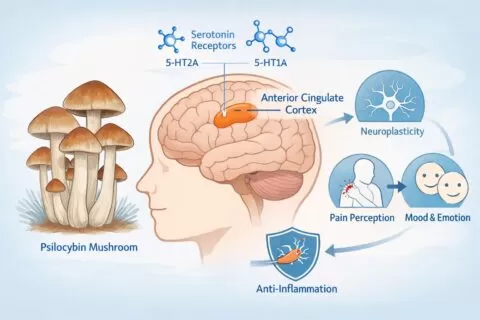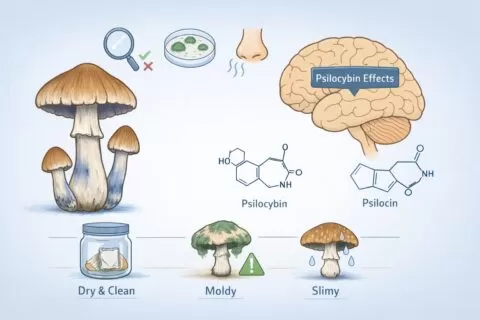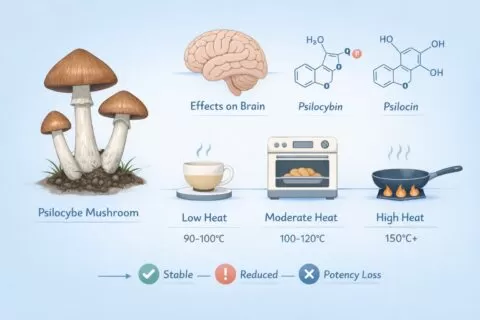
Magic mushrooms are a type of fungi that contain natural compounds like psilocybin. These mushrooms grow in different parts of the world and have become more well-known in recent years. But identifying them in the wild is not easy. Many mushrooms look similar, and some can be deadly if eaten. Whether you’re curious about how they grow, what they look like, or how to tell them apart, it’s important to know how to identify them carefully and responsibly.
This guide will walk you through the basics of identifying magic mushrooms and spotting dangerous look-alikes.
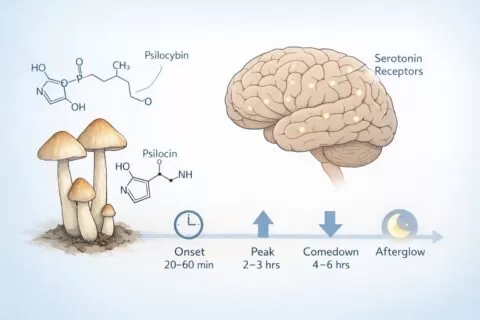
Most magic mushrooms belong to a group called Psilocybe, although other types like Panaeolus can also contain psilocybin. The main active ingredients in these mushrooms are three compounds:
These are natural chemicals that affect the brain. You can’t see or smell them, but certain features on the mushroom can help trained people know whether they are present.
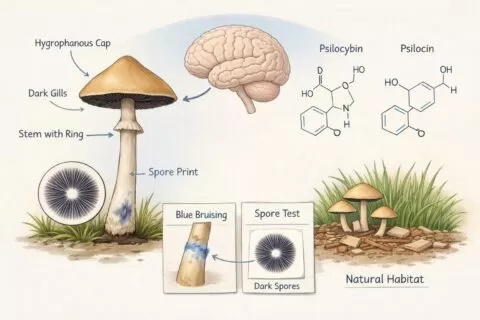
One major sign is bruising. When the flesh of a magic mushroom is damaged or pressed, it often turns blue or blue-green. This color change happens because of how the compounds react with oxygen. But remember: not all mushrooms that bruise blue are safe, and not all magic mushrooms show strong bruising. So, this is only one clue, not a guarantee.
There are over 200 types of mushrooms that contain psilocybin, but some are more common and well-documented than others. Here are four of the most recognized species and how to get them:
To properly identify any mushroom, you need to look at several key parts. Here’s a checklist that mycologists (mushroom scientists) use:
This is one of the safest ways to learn more about a mushroom. Here’s how to make one:
Result: Most magic mushrooms leave a dark purple-brown to black spore print. If the print is white, rusty brown, or green, it’s not a magic mushroom and may be dangerous.
This part is crucial. Some toxic mushrooms look a lot like magic mushrooms. Eating the wrong one can cause serious illness or even death. Always be cautious.
Even if you live in a place where mushrooms grow naturally, it’s important to approach this topic with care. Here are a few key safety and ethical tips:
If you’re not absolutely sure about a mushroom, don’t touch it, don’t eat it, and don’t take it home. Even a small mistake can be dangerous. It’s best to learn how to take magic mushrooms safely.
Mushrooms play an important role in the environment. They help break down dead plants and feed insects and animals. If you’re collecting mushrooms for study, always leave some behind so the area can stay healthy.
In many places, possessing mushrooms that contain psilocybin is against the law, even if they’re growing naturally in the wild. Always check your local laws before going out into nature. Even touching or picking the wrong mushroom could lead to legal trouble in some areas.
Identifying magic mushrooms isn’t just about recognizing a cap or spotting a blue bruise. It takes patience, close observation, and most importantly, respect, for both the law and the environment. While these fungi are fascinating, misidentifying them can have serious consequences.
By learning about the key features, like cap shape, gill color, spore prints, and habitat, you can begin to understand how experts identify them. But unless you’ve been properly trained, it’s never safe to guess.
Magic mushrooms are part of a larger, complex world of fungi. Whether you’re a curious learner or someone who simply enjoys nature, knowledge is the best place to start.

Are You 18 Or Over?
By clicking 'Continue', you confirm that you are over 18 years old. By using this website, you agree to our terms of service.