Magic mushrooms, also called psilocybin mushrooms, are often discussed in the news and research. One of the most common questions people have is: How much does a gram cost? While prices are different depending on many factors, there are some general ranges and common patterns people report.
This article is meant to educate, not to promote buying or using magic mushrooms. Laws and safety concerns should always be taken seriously, and information should be approached responsibly.
A gram is often described as a small amount, typically equivalent to one dried mushroom cap and stem. This measurement is commonly referenced in reports detailing cost.
Across many reported sources, a gram of dried magic mushrooms typically costs $7 to $12. Many people consider $10 a common average. But this amount is only a starting point. Prices can go up or down based on how much is bought at one time.
Reports consistently indicate that purchasing a larger amount often correlates with a lower reported cost per gram. Common examples of bulk pricing, according to various reports, include:
This data suggests that bulk purchases, where reported, typically feature a lower cost per gram than single-gram purchases.
Where someone lives can make a big difference in the price of magic mushrooms. In regions where psilocybin mushrooms are fully illegal, the cost tends to be higher. This is mostly because of the risks taken by those who produce, transport, or distribute them. These risks, such as legal penalties or confiscation, often get passed down in the form of higher prices. There may also be fewer people willing to sell, which creates more demand than supply.
On the other hand, in areas where laws have been softened or psilocybin has been decriminalized, reports have documented a tendency for prices to drop. Some reports show that prices in these areas can be 10% to 30% lower, partly because sellers face fewer legal consequences. Decriminalization often leads to increased access, and in some cases, a wider variety of products.
In cities like Denver, Oakland, or parts of Oregon and Colorado, retail-style shops have appeared. These operate in legal gray areas, meaning the law is unclear or unenforced in practice. These shops, while their licensing status may be uncertain, are reported to offer mushrooms in pre-packaged amounts. That can make pricing more consistent and shopping more transparent, even if the legal status of these operations is uncertain.
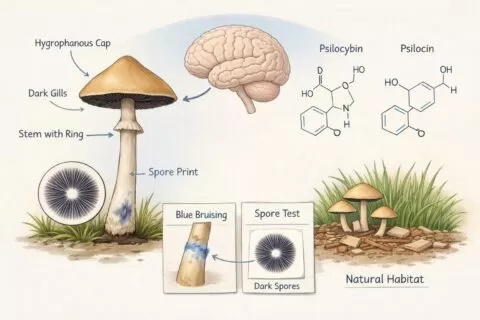
Not all magic mushrooms are created equal. One of the biggest reasons for a price difference is the strain, or type, of mushroom. Different strains come with different levels of psilocybin, the main active compound, and can vary in how they grow, how strong they are, and how they’re perceived by buyers.
A common strain like Psilocybe cubensis is widely grown and well-known. Within this group, one of the most popular varieties is Golden Teacher, which typically falls in the mid-range for both price and strength. Because it’s easy to grow and relatively predictable in its effects, it’s often priced more affordably.
High-potency strains, like Penis Envy, can cost much more. These mushrooms are believed to contain more psilocybin, which means a smaller amount may have a stronger effect. They are also more difficult to grow successfully, which adds to the cost. Their reputation for potency and rarity makes them more valuable in the eyes of buyers and sellers.
Magic mushrooms come in more than one form. While dried, whole mushrooms are the most common and traditional option, there are now many other ways they appear in products, especially in areas where the market has developed or where local laws allow more flexibility.
One common alternative is edibles, such as chocolates, gummies, or teas. In these products, the psilocybin is usually extracted from the mushrooms and blended into a food or drink item. These edibles are often sold in small, measured servings and sometimes include information about the estimated amount of active ingredient in each piece. Because of the added steps involved, like infusing the ingredient, flavoring, packaging, and quality control, edibles usually cost more per gram than dried mushrooms.
Another increasingly popular format is microdosing capsules. These are small pills that contain a very low amount of dried mushroom, often between 0.1 and 0.3 grams. Microdosing means taking a tiny amount that does not cause noticeable effects but is believed by some to support focus or mood.
These capsules are often made with precision and consistency in mind, and the packaging may include a full schedule or dose breakdown. As a result, the price per gram tends to be higher because of the effort that goes into making them consistent and easy to use.
In some areas, you might also find liquid extracts or psilocybin tinctures, though these are far less common. Like edibles and capsules, they come with added cost due to the production process and the need for accurate dosing.
All of these forms offer different levels of convenience and control. Some people prefer capsules for their ease of use, while others may choose edibles for better taste or packaging. But the bottom line is that any product form beyond dried mushrooms will usually cost more because of the extra labor, materials, and processing involved in making them.
Where a product comes from and how it’s handled can have a big effect on how much it costs. Not all magic mushrooms are priced the same, even if the amount is identical. One gram from one seller may be cheaper, or more expensive, than a gram from another, depending on how the mushrooms were grown, packaged, and sold.
Street sellers, for example, often charge higher prices, especially in areas where mushrooms are illegal or hard to find. Since these sellers take on more risk, they may raise prices to cover that risk. However, the downside is that quality can be less reliable.
Mushrooms sold this way might not be stored properly, or they may not be clearly labeled. Buyers often don’t know the exact strain, potency, or even whether the product is fresh. That uncertainty can be risky and may lead to people overpaying for lower-quality mushrooms.
On the other hand, small-scale growers, especially those who sell directly to people they know, might offer lower prices. Because there’s no middleman, the cost can go down. These growers may also be more open about the strain and growing method, though the product may still lack formal testing. Pricing in these cases often depends on the relationship between the grower and the buyer, as well as local supply and demand.
In certain areas where enforcement is low or laws have relaxed, there are shop-style or online vendors that operate in legal gray zones. These sellers often provide pre-packaged products with clear weight, strain names, and sometimes potency estimates. Some even offer customer support or product guides.
Prices from these sources tend to be more consistent. Although they may not be the cheapest option, the buyer often gets more peace of mind. Packaging is usually clean and professional, and the product may be more uniform in appearance and quality.
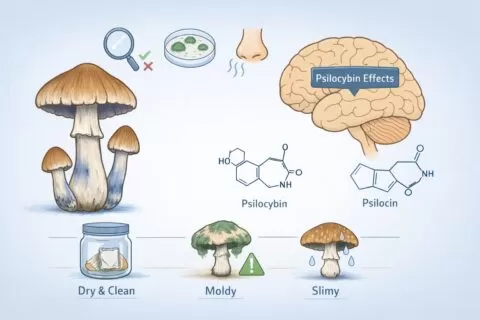
Quality matters a lot when it comes to mushrooms. Higher-quality mushrooms tend to look more intact and vibrant, with fewer broken pieces or discoloration. Well-dried mushrooms are also lighter in weight and last longer. Sellers who care about presentation may also separate stems from caps or remove overly dry pieces, which can improve the overall look and value of the product.
Packaging and storage also play a role. Mushrooms that are vacuum-sealed or stored with moisture control tend to stay fresher longer. That freshness can affect how strong the mushrooms are, since psilocybin can degrade over time if not stored correctly. Sellers who take care of their product may charge a little more, but many buyers consider that price worth it for better consistency, safety, and appearance.
While $10 per gram is a common average, the real price depends on many things: location, strain, amount, form, and source. Understanding these factors helps explain why costs can vary so much. In the end, price is more than just a number. It reflects the full story of where the product came from, how it was grown and handled, and how much trust the buyer has in the source.