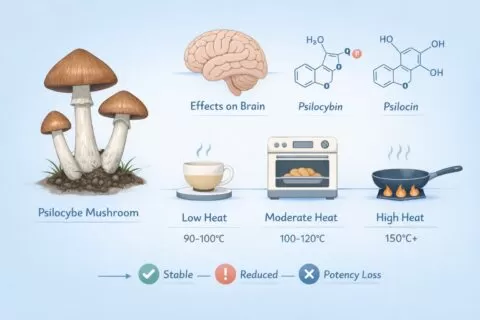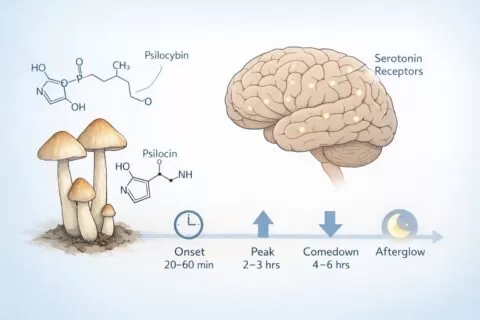
Psilocybin-containing mushrooms, sometimes referred to in scientific literature as “magic mushrooms,” are being studied for their potential in mental health treatment. In clinical and laboratory environments, where these mushrooms are legally handled under strict regulations, drying is a necessary step to ensure consistency in chemical composition and safety during storage. Understanding how long these dried mushrooms remain chemically stable is important for researchers, regulators, and medical professionals working within authorized frameworks.
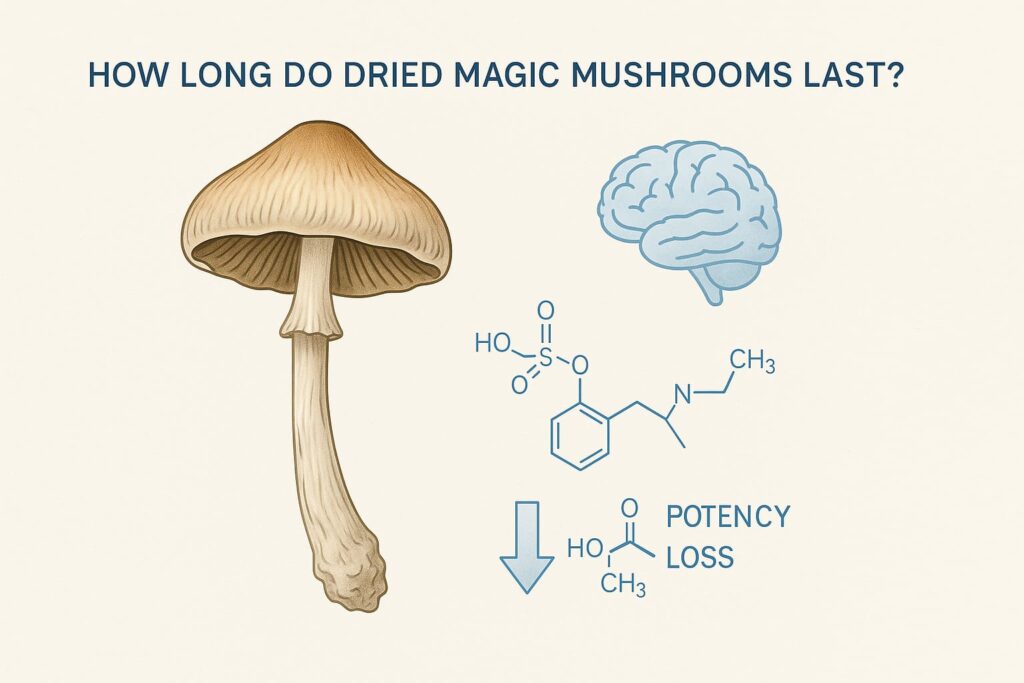
In clinical and research settings, dried psilocybin mushrooms can remain chemically stable for approximately 6 to 12 months when stored properly. In some cases, samples have been preserved for up to 24 months or more, though this typically comes with a gradual decline in psilocybin and psilocin concentrations, compounds responsible for the psychoactive properties being studied.
This slow degradation is closely monitored in research environments, where maintaining chemical consistency is critical to the integrity of clinical trials.
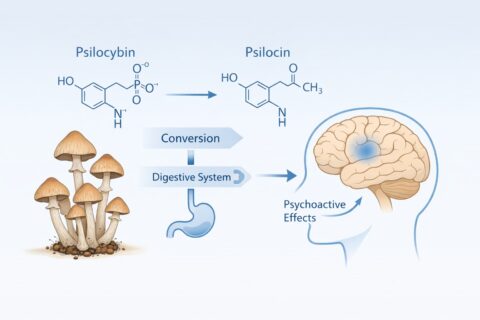
The primary reason dried mushrooms lose strength over time is chemical degradation. Two key processes contribute to this:
Research institutions and clinical laboratories typically follow best practices to extend the stability of psilocybin samples. These include:
These measures help maintain chemical stability, which is crucial for standardized dosing and repeatable study outcomes.
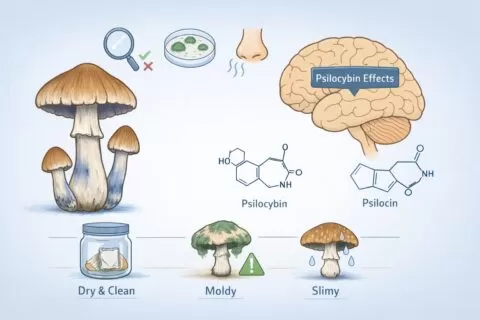
In a clinical environment, the focus is not just on whether mushrooms have lost potency, but also whether they remain microbiologically safe. There is a clear distinction:
To determine if a sample is still viable, researchers assess several factors:
In clinical labs, any sample that shows spoilage is discarded according to strict biohazard disposal protocols.
As interest in psilocybin-assisted therapy grows, so does the need for long-term storage solutions in regulated clinical settings. Ongoing studies, particularly those focused on depression, PTSD, and anxiety in palliative care, require consistent compounds over long periods. Maintaining dried mushrooms under controlled conditions ensures that research remains reliable and reproducible across multiple phases of testing.
In this context, knowing how long dried mushrooms remain chemically intact helps ensure:
In strictly controlled environments, dried psilocybin mushrooms can remain viable for over a year, sometimes longer. However, degradation is unavoidable over time. By managing air, moisture, light, and temperature, researchers can extend the shelf life and usability of these samples within safe and ethical boundaries.
While psilocybin is currently classified as a Schedule I substance in the U.S. and similarly restricted in Canada, narrow legal pathways exist for its use in clinical trials, regulated service models, and therapeutic exemptions. All handling and storage of dried psilocybin mushrooms outside these frameworks remains prohibited under federal law.