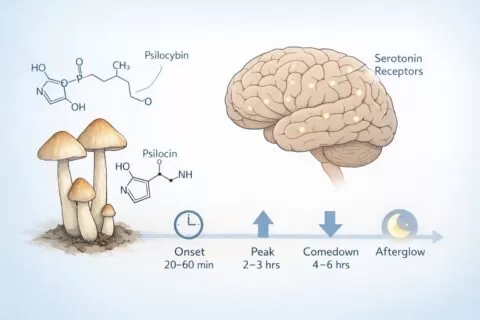
Many people are curious about how long magic mushrooms last. One of the most common questions is: Do they lose potency over time? Yes, they do. Magic mushrooms lose strength over time because the main ingredients that cause their effects, psilocybin and psilocin, break down slowly.
Things like air, heat, light, and moisture make this happen faster. Knowing how this works helps scientists and others safely store these mushrooms in legal research settings.
What Are Psilocybin and Psilocin?
Magic mushrooms contain two important chemicals:
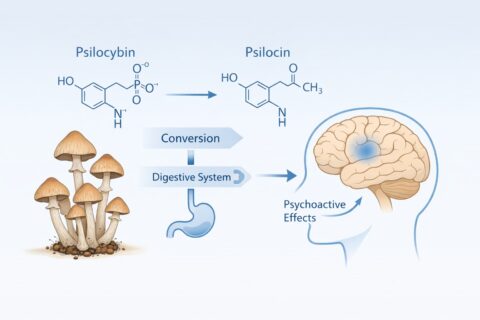
Psilocybin is the primary compound. It’s more stable and lasts longer.
Psilocin is what actually causes the effects on the brain. But it’s very unstable and breaks down easily.
Psilocybin transforms into psilocin in the body. But psilocin doesn’t last long in the mushroom itself. It reacts easily with oxygen and light, which makes the mushroom weaker over time.
Why Do Mushrooms Lose Potency?
Here are the main reasons magic mushrooms lose their strength:
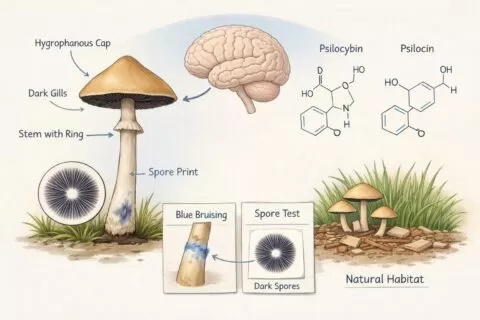
Oxygen: Psilocin reacts with oxygen in the air. This causes it to degrade into other chemicals that don’t have the same effect. This is called oxidation. The blue bruising you see on mushrooms is one sign this is happening.
Enzymes: Mushrooms have natural enzymes (like tiny workers) that break down chemicals after they’re picked. These enzymes make potency fade, especially when the mushrooms are still fresh.
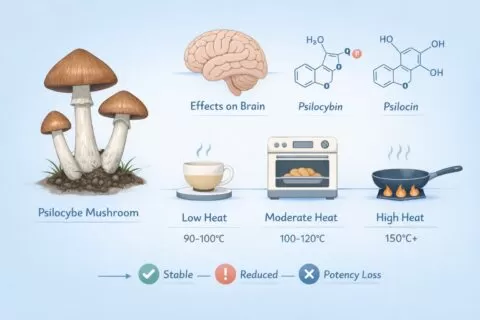
Light: Strong sunlight or even bright indoor lights can cause psilocybin and psilocin to break down. This is called photodegradation. Moisture: Water speeds up all of these problems. Wet mushrooms can also grow mold or bacteria, which makes them unsafe to eat.
How Long Do Mushrooms Stay Potent?
The shelf life of magic mushrooms depends on how they’re stored:
Fresh Mushrooms
Hold out only a few days at room temperature.
May stay okay for 5–10 days with refrigeration, but they start losing strength right away.
Freezing fresh mushrooms without drying them first can destroy up to 80% of their active compounds.
When stored correctly, dried mushrooms can last 6 to 12 months.
In perfect conditions (vacuum-sealed and frozen), they can last 1 to 2 years.
How to Store Dried Mushrooms Properly
If someone is storing mushrooms in a legal research setting, here’s how to keep them stable:
Step 1: Make Sure They’re Fully Dry
They must be “cracker-dry.” This means they should snap, not bend.
A food dehydrator is best. Air drying is not always enough.
Step 2: Use the Right Container
Use a glass jar with a tight lid or vacuum-sealed bags.
Keep the container in a dark, cool place like a cupboard.
Avoid storing near heat (like stoves or windows).
Step 3: Use Desiccants
A small pack of silica gel (or even uncooked rice) helps soak up leftover moisture.
This step helps keep the mushrooms dry and safe.
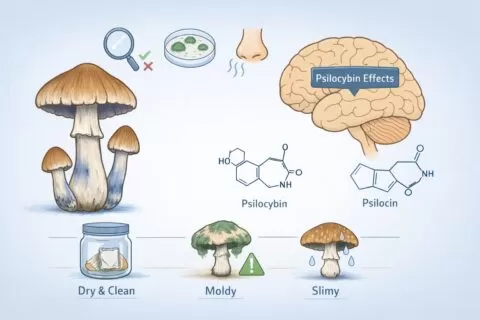
How Can You Tell If a Mushroom Has Gone Bad?
Losing potency isn’t dangerous; it just means it won’t have much effect. But some mushrooms can spoil, and that is dangerous.
Here’s how to tell if a mushroom is unsafe:
Mold: Fuzzy white, green, or black spots.
Slimy or soft texture: Especially if fresh or rehydrated.
Bad smell: A sour or rotten odor means it’s spoiled.
Black or slimy spots: Signs of serious decay.
Blue bruising is normal and not the same as mold. But always err on the side of caution.
The Bottom Line on Potency Loss
Yes, magic mushrooms lose potency over time. The chemicals that cause their effects break down when exposed to light, air, heat, and water. But if they are dried properly and stored in a cool, dark, and dry place, their strength can last for many months or even longer.
Proper storage isn’t just about preserving potency. It’s also about safety. Moisture and heat can lead to mold, bacteria, and spoilage, which make mushrooms unsafe to handle or consume. Whether for academic research, medical trials, or regulated environments, keeping mushrooms stable helps protect the integrity of any analysis or use within legal settings.