Magic mushrooms, also called psilocybin mushrooms, are treated very differently depending on where you are in the world. In some places, they are fully legal. In others, they are banned but rarely enforced. Many countries fall somewhere in between. This mix of rules can feel confusing, especially because laws are still changing. This article breaks down how different countries handle magic mushrooms and explains the key details that often get missed.
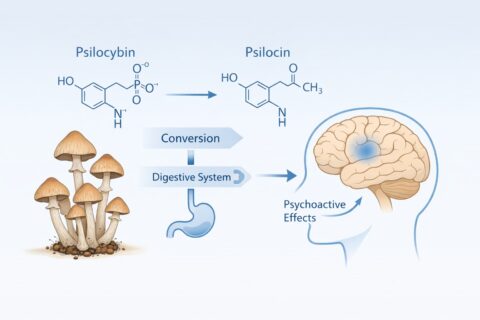
At the center of most laws is psilocybin, the natural chemical in certain mushrooms that causes mind-altering effects. Many governments focus on this chemical rather than the mushroom itself. That one detail helps explain why laws vary so much from place to place.
Some countries have never made magic mushrooms illegal. Jamaica is the best-known example. There are no laws that ban the growing, selling, or use of psilocybin mushrooms there. Because of this, Jamaica has become well known for retreats and research centered on psychedelics.
Samoa is similar. Like Jamaica, it has no specific laws against possession or use, which means mushrooms are legal by default. The Bahamas also allows possession and use of psilocybin mushrooms, though there are still rules around how they can be sold.
Nepal is another country where mushrooms are not clearly banned. Psilocybin is not listed in its main drug control law, and people are rarely prosecuted for use or possession. In all of these places, the absence of a clear ban makes mushrooms legal in practice.
Other countries have more unusual legal setups. The Netherlands is a well-known example. In 2008, the government banned magic mushrooms, but only in their traditional form. Psilocybin truffles, which grow underground and are part of the same organism, were not included in the ban. As a result, truffles remain legal and are sold openly in licensed shops.
Brazil has a different kind of loophole. Psilocybin is listed as a controlled substance, but the mushrooms themselves are not named in the law. Because of this, mushrooms are sold openly in many places, including online stores.
The British Virgin Islands allow possession and use of magic mushrooms, but selling them is technically illegal. These examples show how small differences in legal wording can lead to very different real-world outcomes.
Some countries allow psilocybin only in medical or clinical settings. In these places, mushrooms are not legal for personal use, but the chemical may be used under strict supervision.
Australia became the first country to allow certain psychiatrists to prescribe psilocybin in 2023. This is limited to people with treatment-resistant depression. Canada allows access through its Special Access Program, where doctors can request psilocybin for patients with serious or life-threatening conditions.
Switzerland and Israel also allow limited compassionate-use programs. In these cases, doctors apply for special permission to treat specific patients. Outside of these tightly controlled systems, mushrooms remain illegal.
Decriminalization is often misunderstood. When a substance is decriminalized, it is still illegal, but possession of small amounts is not treated as a serious crime. Instead of jail time, penalties may include fines, warnings, or confiscation.
Portugal decriminalized all drugs in 2001 and treats drug use as a public health issue. The Czech Republic allows possession of small amounts as a civil offense. Spain decriminalizes personal use in private spaces, while Austria does not criminalize possession but strictly punishes selling.
Mexico has a unique approach. Traditional and spiritual use by Indigenous groups is legally protected, even though broader possession laws still apply.
The United States adds another layer of complexity. At the federal level, psilocybin is still classified as a Schedule I substance, making it illegal nationwide. However, several states and cities have passed their own laws.
Oregon created a legal system for supervised psilocybin services at licensed centers. These services are regulated but are not considered medical prescriptions. Colorado legalized personal use, growing, and sharing for adults over 21 and is rolling out regulated healing centers.
Several cities, including Seattle, San Francisco, Oakland, Detroit, and Washington, D.C., have decriminalized personal possession. Even so, federal law still applies across all states.
Beyond country-by-country rules, there are technical details that help explain how these laws developed. One example is the difference between fresh and dried mushrooms. In the past, some countries treated fresh mushrooms as a natural product but considered dried or prepared mushrooms illegal drugs. Most governments have since closed this loophole, but it shaped early policy decisions.
Another key detail involves spores and mycelium. Spores do not contain psilocybin, so they are legal in many places where mushrooms are illegal. They only become illegal once they grow into mycelium, which can produce psychoactive compounds. This distinction explains why spores may be sold legally in some regions.
International law also affects national policies. In 1971, the United Nations banned psilocybin as a chemical. However, the treaty did not specifically ban the mushrooms themselves. The UN later clarified that fungi containing psilocybin are not automatically covered, leaving individual countries free to set their own rules.
This decision is one reason laws differ so widely around the world.
Taken together, these factors show why magic mushroom laws are uneven and complex. Some governments focus on chemicals, others on public health, and others on cultural or traditional use. Laws also continue to change as research grows and public attitudes shift.
Magic mushrooms sit at the crossroads of science, culture, and law. Understanding how they are regulated worldwide offers a clear look at how drug policy is evolving in real time.

Are You 18 Or Over?
By clicking 'Continue', you confirm that you are over 18 years old. By using this website, you agree to our terms of service.