Magic mushrooms, also known as “shrooms,” have been used for centuries in different cultures for spiritual or personal experiences. Today, they’re being studied in medical research and used in some places under strict rules. But as more people learn about them, one question often comes up: Can you get addicted to magic mushrooms?
The short answer is: not in the way people usually think about addiction. But the full story is more complex. Let’s break it down.
When we hear the word “addiction,” many people think of things like smoking, alcohol, or opioids. These substances can cause physical dependence, meaning your body starts to rely on them. When someone stops using these drugs, they often go through tough withdrawal symptoms, like shaking, sweating, nausea, or worse.
Magic mushrooms don’t work like that.
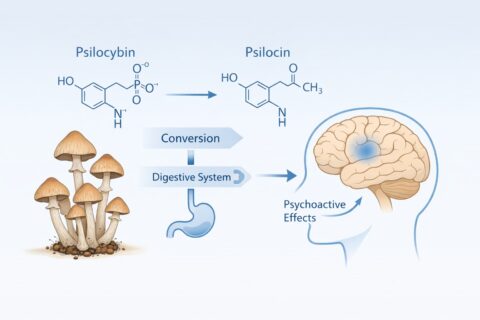
Health experts like the National Institute on Drug Abuse (NIDA) and the Drug Enforcement Administration (DEA) say that psilocybin (the active compound in magic mushrooms) is not physically addictive. People don’t get “hooked” in the same way they might with cigarettes or painkillers.
There’s also no known withdrawal effect from stopping mushrooms. You won’t get sick or feel physical pain just from quitting. That’s a key reason why they’re not considered physically addictive.
Another thing that makes magic mushrooms different is how the body reacts to them over time. When someone takes psilocybin, their body quickly builds a tolerance. This means the effects become much weaker if the same amount is taken again soon after.
This is known as tachyphylaxis, a scientific word that basically means “your body stops responding as strongly.” So if someone takes mushrooms today, and then again tomorrow, the second experience will likely feel much less powerful. To get the same effect again, they’d have to either wait several days or take a much bigger dose.
But taking more doesn’t necessarily make the experience better. In fact, it can cause physical discomfort, confusion, or anxiety. For this reason, using mushrooms every day just doesn’t work. Most people naturally space out their experiences without needing to be told.
This quick tolerance is sometimes seen as a kind of built-in “brake.” It makes frequent use hard and helps reduce the chances of abuse.
While mushrooms aren’t physically addictive, that doesn’t mean they’re totally risk-free. There’s still a chance for something called psychological dependence.
This doesn’t mean someone craves the chemical the way they might with caffeine or heroin. Instead, it’s more about the behavior or mindset around using the substance.
Some people may start to rely on mushrooms as a way to escape from real life. If someone is going through emotional pain, boredom, or stress, they might turn to mushrooms to feel better or more connected. Over time, they might start depending on those experiences, even if they aren’t physically addicted.
This kind of habit is usually part of a bigger pattern. Experts often see polysubstance use, which means someone regularly uses multiple drugs or substances. If someone is using mushrooms too often, it’s often not about the mushrooms themselves; it’s more about what’s going on in their life and how they cope.
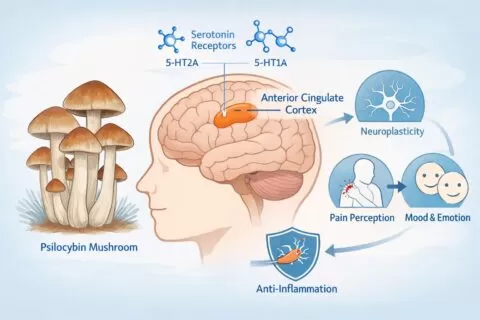
In recent years, scientists and doctors have started taking a closer look at psilocybin. In fact, the U.S. Food and Drug Administration (FDA) has labeled it a “Breakthrough Therapy” for treating major depression, especially when other treatments haven’t worked.
But here’s the difference: in medical research, psilocybin is used in a controlled setting, with trained professionals. The goal isn’t to “trip” or escape reality. It’s to help people work through deep emotional issues, like trauma, depression, or anxiety, with support.
Here’s a simple comparison:
| Recreational Use | Therapeutic Use |
| Often done in social or uncontrolled settings | Always done in a clinical, structured environment |
| Purpose is escape, fun, or self-discovery | Purpose is healing and emotional work |
| Can be unpredictable | Carefully planned with trained support |
| No medical guidance | Supervised by licensed professionals |
While these two paths both involve mushrooms, they are very different experiences.
Even though mushrooms aren’t physically addictive, they still come with risks. It’s important to know what they are, especially for anyone considering learning more or being in environments where they’re used.
One rare but serious condition is called HPPD (Hallucinogen Persisting Perception Disorder). This happens when someone keeps seeing visual “flashbacks” or patterns long after the trip is over. It doesn’t happen often, but when it does, it can be scary and hard to manage.
There’s also the chance of having a bad trip. This might include:
For people with certain mental health conditions, or even a family history of them, magic mushrooms can trigger psychotic episodes. This is why clinical settings screen patients very carefully before allowing them to take part in trials.
Let’s come back to the big question.
No, magic mushrooms are not considered physically addictive by scientists or health organizations. They don’t cause withdrawal, and people don’t chase them the way they might with other drugs. The way psilocybin affects the brain also makes it hard to use repeatedly or compulsively.
But that doesn’t mean they’re totally safe or that everyone will have a good experience.
People can still fall into unhealthy patterns, especially if they’re looking for an escape from everyday life. And there are real risks if someone has a mental health condition or takes mushrooms in the wrong setting.
Magic mushrooms aren’t necessarily bad. In fact, they’re being taken more seriously by science, and that’s opening up important conversations about mental health, trauma, and healing. But as with any powerful substance, it’s important to separate facts from myths.
No, mushrooms don’t lead to physical addiction. But they still affect the mind in strong and sometimes unpredictable ways. Respect, awareness, and responsible discussion matter, whether you’re reading out of curiosity, learning about mental health research, or just trying to understand the world better.

Are You 18 Or Over?
By clicking 'Continue', you confirm that you are over 18 years old. By using this website, you agree to our terms of service.