Magic mushrooms, also known as psilocybin mushrooms, are becoming more widely talked about as interest in psychedelics grows. While many people are curious about their effects, one important question often comes up: Can magic mushrooms cause seizures?
The short answer is yes, but it’s rare. Most healthy people who use psilocybin do not experience seizures. But for some, especially those with certain health conditions or who take other medications, the risk is higher. Let’s take a closer look at how this happens, who’s most at risk, and what the science says.
Studies show that seizures from psilocybin are not common, but they do happen. A large study found that about 1.5% of people who have used classic psychedelics, like psilocybin, reported having a seizure at some point. That’s a small number, but it’s not zero.
Poison control centers in the U.S. report seizures in about 0.78% of mushroom-related calls. In these cases, most seizures happen in unsupervised or recreational settings, often after taking very large doses or mixing mushrooms with other substances.
So while it’s not something that happens to everyone, it’s important to know the risks.
Not everyone has the same level of risk when it comes to seizures and magic mushrooms. Here are some of the most important risk factors:
People who have epilepsy, or have had seizures in the past, are at much higher risk. Psilocybin may lower the “seizure threshold”, this means it might make the brain more likely to have a seizure, especially if someone is already vulnerable.
Even people with a family history of epilepsy could be at higher risk, so it’s important to consider that background.
Taking a large amount of mushrooms, especially what some call a “heroic dose” (about 5 grams or more of dried mushrooms), can put extra stress on the brain. These high doses are more likely to cause strong effects, and in rare cases, seizures.
Using psilocybin along with certain medications or substances can greatly increase seizure risk. Here are some examples:
If someone is on any medication that affects the brain, it’s especially important to understand these risks.
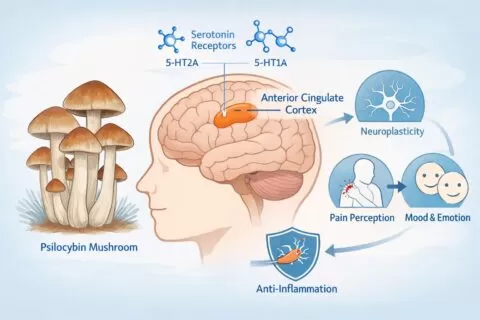
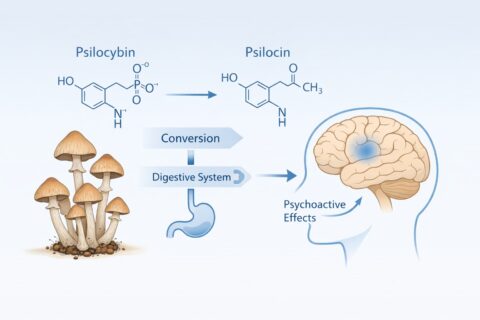
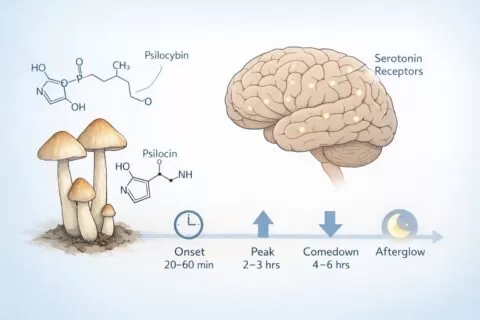
Psilocybin works by changing the way the brain uses serotonin, a chemical that helps control mood, sleep, and other functions. When someone takes psilocybin, it activates 5-HT₂A receptors, which can affect how neurons (brain cells) fire.
Some researchers believe that this strong stimulation can sometimes lead to a kind of “electrical overload” in the brain. In people who are already sensitive, this might lead to a seizure.
Another possible reason is something called network desynchronization. Psilocybin temporarily changes how different parts of the brain communicate with each other. For most people, this leads to hallucinations or changes in thinking. But for a few, it may cause disorganized brain activity, which doctors call a seizure.
In 2023, doctors shared a case that gave researchers new information. A man who had epilepsy and used an implanted brain device (called an RNS, or responsive neurostimulation system) took about 2.5 to 3 grams of dried psilocybin mushrooms. Afterward, he had several seizures.
Because of the device in his brain, doctors were able to record exactly what happened during the seizures. This was one of the first times scientists had clear, real-time brain data showing that psilocybin could trigger seizures in someone with epilepsy.
It was a big moment in understanding how psilocybin affects the brain, and it confirmed what doctors had already suspected.
Sometimes, people think a seizure has happened when it really hasn’t. There are two common reasons for this confusion:
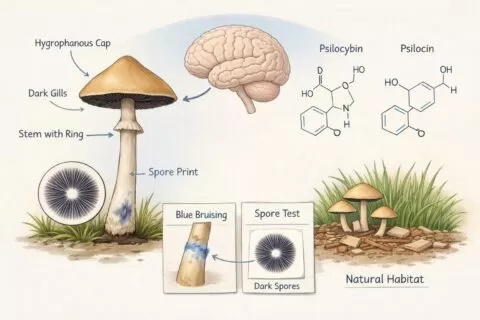
Not every mushroom that looks like psilocybin is safe. Some wild mushrooms can be deadly, like Galerina marginata, and cause seizures, liver failure, or even death. Accidental poisoning is one reason some people have seizures after taking what they think are “magic mushrooms.”
This is one reason why experts strongly warn against picking wild mushrooms unless you are a trained mycologist (a mushroom expert).
During a psychedelic experience, people sometimes shake or twitch. These are often caused by anxiety, stress, or emotional release, not by a seizure. But to someone watching, it might look similar. That’s why it’s important to know the difference and to have someone present who understands what’s going on.
Here’s what some harm reduction groups recommend for general safety education:
People with epilepsy, a seizure disorder, or who are taking certain medications (like lithium or tramadol), should be especially cautious. In many cases, medical experts say it’s best to avoid psilocybin entirely if you’re in one of these groups.
A “trip sitter” is someone who’s sober that stays with you when you embark on a psychedelic experience. If something goes wrong, like a seizure, they can call for help and keep the person safe until emergency responders arrive. They should know basic seizure first aid.
If someone is new to psychedelics, some harm reduction groups suggest starting with very low doses, also called microdoses. While not risk-free, smaller amounts put less strain on the brain and body than higher doses.
Again, no use of psilocybin is risk-free or legal outside specific clinical trials or licensed programs. But for people seeking general health information, understanding these factors helps them make more informed choices.
Seizures after using psilocybin are possible, but they are not common in healthy people. The risk becomes much higher for those with a history of seizures, certain medical conditions, or when mixing mushrooms with other substances.
The brain is complex, and psilocybin changes how it works, sometimes in ways that can cause seizures. That’s why anyone curious about magic mushrooms should know the facts and stay aware of the risks.
Even though there’s growing interest in psychedelics, safety should always come first. As researchers continue to learn more, understanding the science helps people make smarter choices about their health and well-being.

Are You 18 Or Over?
By clicking 'Continue', you confirm that you are over 18 years old. By using this website, you agree to our terms of service.