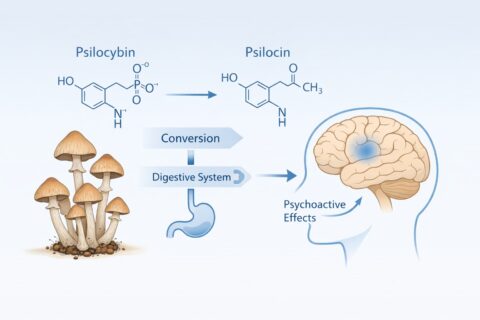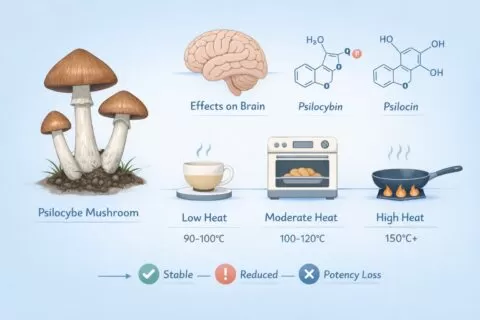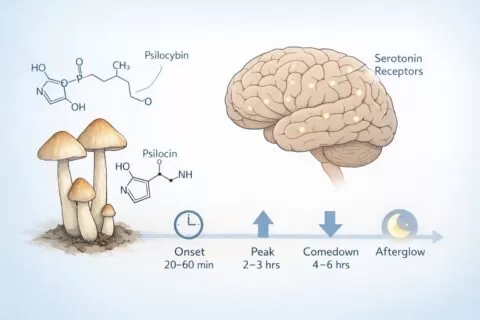
Magic mushrooms contain a natural chemical called psilocybin, which the body turns into psilocin. These compounds change the way the brain processes information. More than 200 mushroom species contain psilocybin, and they can create strong changes in mood, thoughts, and senses.
Because of these effects, people often wonder if magic mushrooms are good or bad for you. The answer depends on the dose, the person, and whether the use happens in a safe, supervised medical setting or without guidance.
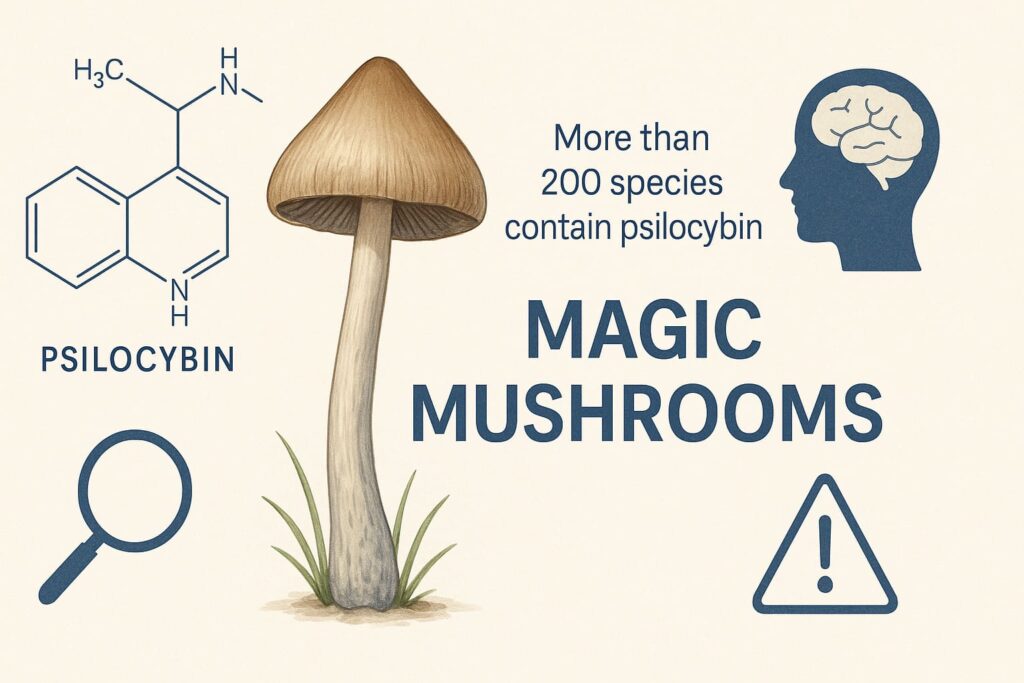
Magic mushrooms are often discussed for their mind‑altering effects, but these changes can also bring risks. The effects depend heavily on the amount taken, the person’s mental state, and the environment. Scientists are also studying psilocybin for mental health treatment, which adds more questions about safety and long‑term effects.
It’s also important to understand the legal situation. In the United States, psilocybin is a Schedule I controlled substance, which means federal law says it has a high potential for abuse and no accepted medical use at this time.
Canada also restricts psilocybin under its national drug laws. A few research programs allow supervised use, but recreational use remains illegal in most places. Because of this, it’s important to focus on safety and facts.
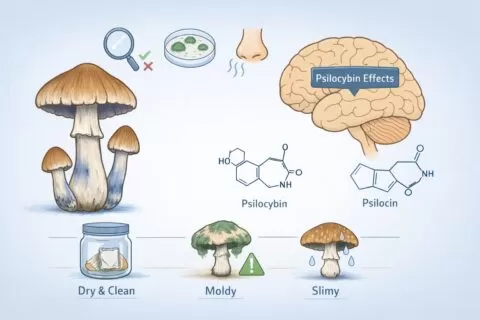
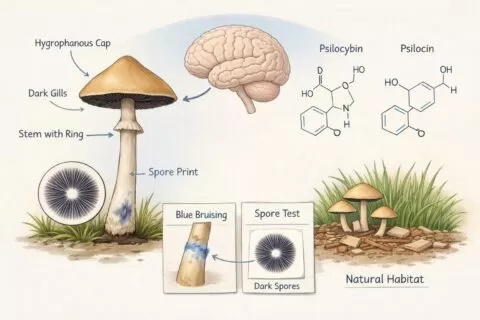
One of the most serious dangers is accidentally eating the wrong wild mushroom. Many mushrooms look alike, and some toxic species can cause organ damage or death. This makes picking wild mushrooms extremely risky. Another concern is unregulated or illegally sold products. These may contain other chemicals, fillers, or substances that are not psilocybin at all, which can be harmful.
Psilocybin has low toxicity, but people may still experience uncomfortable physical reactions. These can include nausea, vomiting, dizziness, stomach pain, sweating, or dilated pupils.
Psilocybin can also raise heart rate and blood pressure, which may be dangerous for individuals with heart problems. Some people feel muscle weakness or trouble with coordination. These effects usually fade, but they can still create safety concerns.
The psychological effects of magic mushrooms can be intense. A person’s mindset and environment matter a lot. In stressful, confusing, or unsafe places, the chances of a “bad trip” increase. A bad trip may involve fear, panic, paranoia, or disturbing hallucinations.
Some people feel as if they are losing control of their thoughts. Although rare, psilocybin can also trigger psychosis in individuals who have or are at risk for certain mental health conditions, such as schizophrenia or bipolar disorder. Some users report flashbacks or lasting visual disturbances long after the experience.
Because psilocybin affects perception, judgment can change during the experience. This can lead to unsafe behavior, such as walking into traffic or attempting dangerous physical activities.
Psilocybin isn’t considered highly addictive, and it does not cause withdrawal symptoms, but tolerance can build quickly. This may push some people to take higher doses sooner than they should, increasing the chance of negative effects.
Scientists are studying psilocybin under strict rules in supervised environments. These studies look at how psilocybin, paired with trained therapists, might help people with certain mental health conditions.
Research has shown promising early results for depression, anxiety, addiction, and end‑of‑life emotional distress. These sessions involve medical screening, controlled doses, and professional guidance. The positive results seen in studies come from these carefully designed conditions, not from unsupervised use.
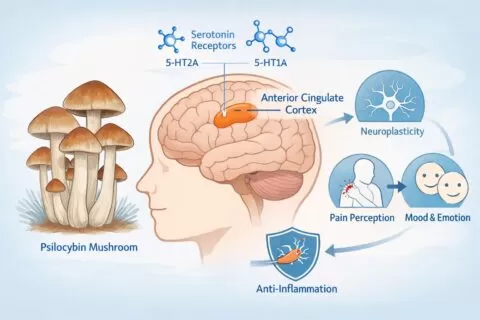
Researchers have found that psilocin interacts with serotonin receptors that help control mood and perception. Brain scans show that psilocybin reduces activity in the default mode network, which is linked to self‑reflection and negative thought cycles. Many scientists believe this helps the brain break harmful mental patterns. Psilocybin may also increase neuroplasticity, meaning the brain becomes more open to forming new connections and ways of thinking.
Magic mushrooms can be harmful, especially without proper safety measures. Poisoning from wild mushrooms, unpredictable psychological reactions, and risky behavior are real concerns.
Some people should avoid psilocybin entirely due to their health history. At the same time, supervised medical research shows that psilocybin may have benefits when used with professional support. The real answer isn’t simply good or bad. It depends on context, care, and legal safety.
As research continues, experts are working to understand how psilocybin might one day be used safely and responsibly in medicine. Until then, the safest approach is to understand the risks and stay aware of the laws and limits of current scientific knowledge.